Table of Contents
Lightweight CSS Frameworks: A Practical Guide for Developers
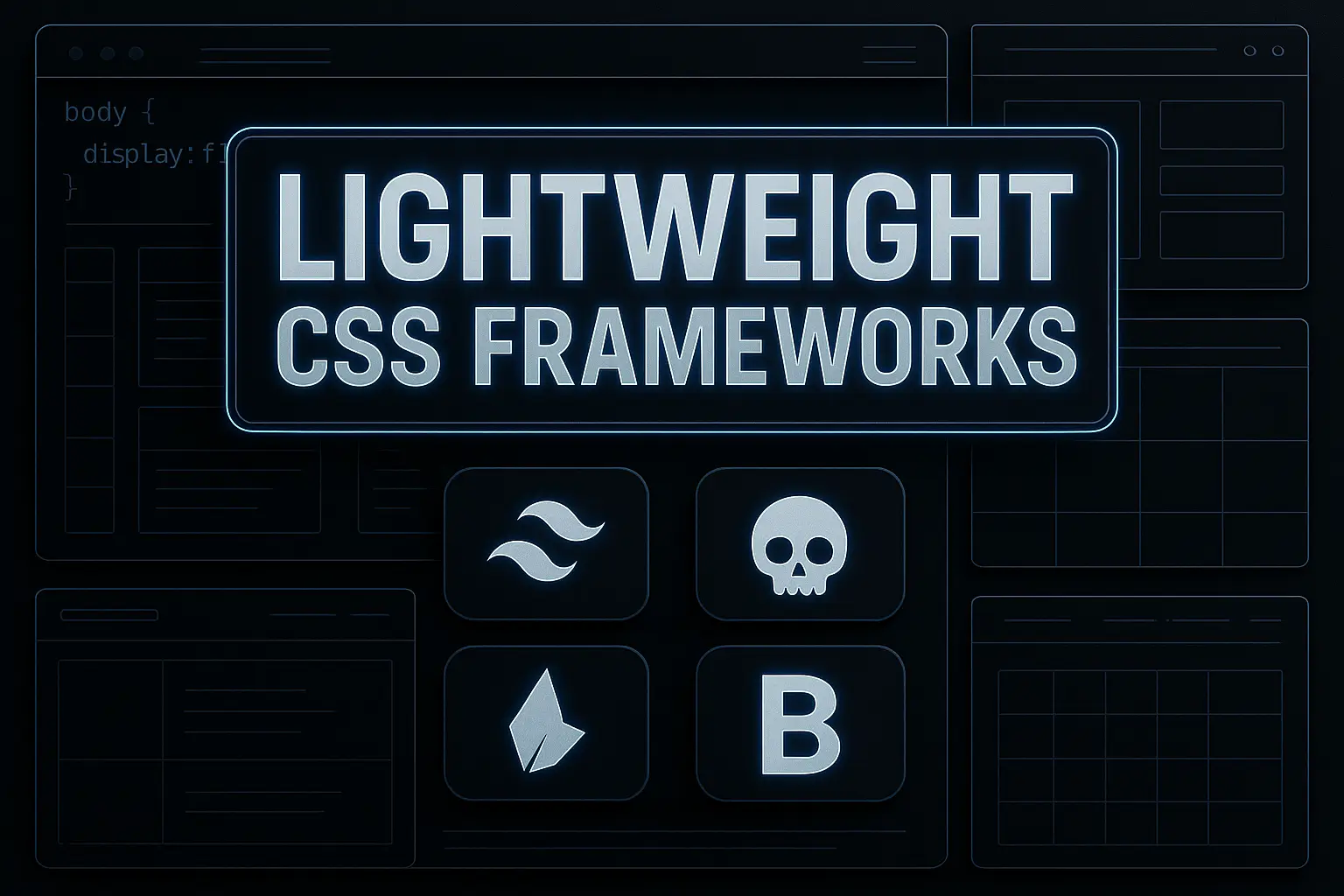
Lightweight CSS frameworks offer developers a simple, flexible, and efficient way to build fast, clean, and responsive websites. As a full-stack developer at JacobAlmogela.com, I use these frameworks daily to optimize Shopify themes, improve WordPress performance, and build polished interfaces in React and Next.js.
Heavy CSS libraries slow down performance, but lightweight solutions keep websites lean and SEO-friendly.
Why Lightweight CSS Frameworks Matter in Modern Web Development
1. Faster Page Speed & SEO Benefits
Speed is a ranking factor, and lightweight frameworks make a noticeable difference. By reducing unused CSS and cutting down render-blocking styles, they help websites load faster and score better on Core Web Vitals.
Search engines prefer cleaner, optimized pages, and these frameworks remove the excess styling that often comes with large UI libraries. The result is a more efficient site that both users and search engines respond well to.
External : Google Dev: Optimize CSS
2. Easier to Customize
Heavier CSS libraries usually come with preset components, strict design rules, and layers of styles you often end up overriding. Lightweight CSS frameworks flip that approach. Instead of dictating design, they support it. You get a minimal foundation that you can shape however you need, whether you’re building interfaces from scratch or refining an existing design system.
This makes development smoother and reduces maintenance headaches later on.
3. Great for Shopify & WordPress Themes
Lean code = smoother performance across product pages, landing pages, and blog layouts.
Best Lightweight CSS Frameworks to Try Today
Pico.css
A classless framework that styles semantic HTML automatically. Perfect for clean prototypes, simple layouts, and pages where readability matters.
External : PicoCSS
Milligram
At only 2KB gzipped, it’s one of the smallest yet most practical frameworks out there. Milligram gives you a grid system, typography, and basic UI utilities without unnecessary extras.
Chota
Great for building responsive dashboards or admin tools. It offers lightweight utilities that make it easy to structure interfaces quickly.
How I Use Lightweight CSS Frameworks for Client Projects
In my work with Shopify, WordPress, React, and Next.js, lightweight CSS frameworks help me build faster, cleaner, and more responsive experiences. These frameworks help me:
- Build cleaner UI components
- Improve mobile responsiveness
- Speed up Shopify product pages
- Create lightweight landing pages that convert
- Ensure CSS performance meets SEO standards
If you want, I can make this even simpler, more marketing-friendly, or more technical—just tell me the style you prefer. See how I build high-performance websites